
About
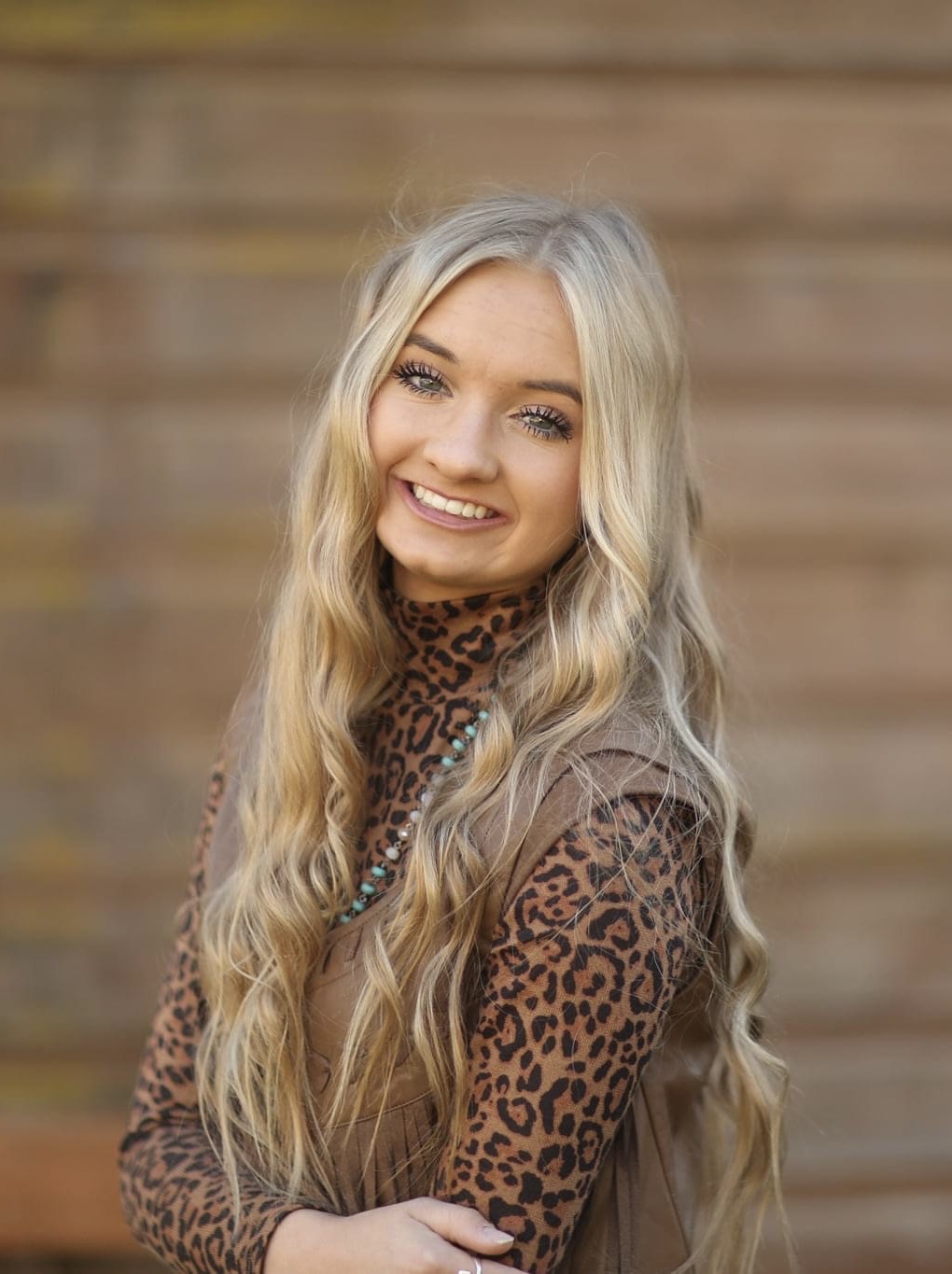
I’m Corynn Kayser, a writer blending journalism, PR, and creative storytelling. I’m passionate about telling stories that connect with people and highlight the moments, individuals, and communities that often go unnoticed. My background in journalism, public relations, and creative storytelling has taught me that every story has the power to inform, inspire, and bring people together.
Whether I’m covering a local event, creating multimedia content, or sharing someone’s personal journey, I strive to tell each story with authenticity, curiosity, and purpose. My goal is to create meaningful content that not only informs audiences but also leaves them with a deeper understanding of the people and experiences behind the headlines.
Samples
-
World’s Largest Outdoor Rodeo Returns to Cheyenne Wyoming
This news article previews the 130th annual Cheyenne Frontier Days, the world’s largest outdoor rodeo and Western celebration, returning to Cheyenne, Wyoming, July 17–26, 2026. The story highlights the event’s new qualifier format, increased prize payout, and economic impact on the region. Featuring direct quotes from recent champions and event organizers, the article explores why Cheyenne Frontier Days remains a nationally significant tradition and cultural event.
The 130th annual Cheyenne Frontier Days, the world’s largest outdoor rodeo and Western celebration, returns July 17-26 to the Wyoming capital. For more than a century, the event honors the enduring traditions and history of the American West, drawing visitors from across the country for rodeo competition, major concerts, parades and family-friendly activities.
This year, Cheyenne Frontier Days introduces a new qualifier bracket. Instead of allowing all professional rodeo athletes to participate, the committee has limited competition to those who qualify through preliminary rounds, ensuring only top athletes compete in the main events. This change is expected to intensify competition, giving fans a showcase of the sport’s elite.
The event carries one of the richest payouts in the rodeo industry, bringing in top cowboys and cowgirls across the nation. Rodeo athletes competing for a spot at the National Finals Rodeo have the chance to make significant strides in the standings. And the stakes continue to rise—this year, the rodeo’s payout will climb from $770,000 to $960,000, a clear sign of its ongoing commitment to remaining one of the most prestigious events in professional rodeo.
Lisa Lockhart, the 2025 Cheyenne Frontier Days barrel racing champion, said “Cheyenne embodies the true Western heritage with its legendary rodeo. As contestants, it’s enticing to compete in the authentic ‘cowboy’ atmosphere, and it is also a great rodeo overall. Success at this rodeo can make or break your chances to compete at the National Finals Rodeo.”
With approximately 550,000 visitors expected, the economic impact of Frontier Days extends far beyond the arena. According to Russell Kay, a local shop owner, the town of Cheyenne relies on the rodeo for annual revenue, bringing in up to $50 million during the ten days of action.
Brody Cress, Four-time Saddle Bronc Champion and hometown cowboy, reflects on what makes this event truly legendary: “The biggest thing that sets Cheyenne Frontier Days apart from other rodeos is its rich history. Few rodeos have the same background and prestige that Cheyenne does. Additionally, the Cheyenne committee works hard to ensure the rodeo continues to grow and evolve, keeping it one of the biggest and best while bringing both contestants and spectators back year after year.”
Beyond the arena, the sounds of live music, the excitement of the carnival, and the aromas of food are just a few additions that accompany the rodeo itself. Visitors can enjoy activities such as the chuck wagon cook-off, pancake breakfast, and parade, with exclusive behind-the-chutes tours available for a once-in-a-lifetime experience. Cheyenne continues to showcase its original history through exhibits at Old Frontier Town. Merchants, craftsmen, and artists fill the streets to share their skills rooted in the traditions of the Old West.
As Cheyenne Frontier Days prepares to welcome rodeo fans, the event stands as a testament to the lasting spirit of the American West. With an expanded qualifier format, record prize money, and a tradition that brings together athletes, families, and the local community, the rodeo continues to preserve a way of life. Fans and competitors alike are reminded each year why Cheyenne Frontier Days remains a highlight on the national rodeo calendar and why its legacy endures for generations to come.
Riders of Tradition: The Enduring Legacy of Omak’s Suicide Race
This feature story explores the history and traditions of the Marchand family and their deep connection to the Suicide Race, a thrilling and controversial annual event in Omak, Washington. Through interviews with key family members and community voices, the piece examines the cultural significance of the race, the legacy of the Marchand family, and the ongoing debates surrounding the event’s risks and meaning for participants and spectators alike.
During the second week of August, the rodeo industry experiences an electric thrill that is unmatched in the town of Omak, Washington. The world-famous Suicide Race, a daring and historic tradition, blends Native American history with rodeo culture.
Horse races have long served as a means of demonstrating horsemanship, bravery, and dedication across Native American cultures. The Omak Stampede honors this tradition and keeps it alive each year through the Suicide Race. Horses and riders descend down a steep slope, cross the river, and then race 500 yards to the finish line in the heart of the Stampede arena.
For many families, competing in the Suicide Race has become a cherished tradition passed down through generations. Among these families, the Marchands stand out for their deep commitment to the event. George Marchand won the race three times and dedicate his life to passing on the knowledge he learned from his father.
“It wasn’t just our own family—welcoming new generations into this culture has always been important to us. Every summer, there were boys living in our spare bedroom, training for the hill, or sometimes just needing a place to find their footing. Some were cousins; others weren’t related at all, but many of them are still out there running in the Suicide Race or involved in some way. As a family, we’re committed to passing down the knowledge and traditions we’ve learned to those who come after us,” said George.
Months prior to the race itself, the preparation process begins in the depths of the Marchand’s training grounds, where the horses and jockeys are developed from the ground up. Horses are worked five days a week over a rugged course that is about five miles long. This daily practice builds endurance while also training jockey skills in preparation for the race. The goal is to teach both horse and rider how to “buck the water,” leaping through the river in powerful bounds, and to master the steep descent that defines the Suicide Race.
“These are the type of horses that, once you earn their respect, will give you their whole heart. They are the type that would run on three legs if you asked them to,” said Krista Marchand, George’s daughter and a former jockey.
These horses truly carry on the family’s tradition, embodying both the spirit of the race and the bond that defines their legacy. It’s in the quiet moments, away from the action, that the true heart of the Marchand family’s tradition is felt.
“Growing up in this environment has shaped everything I know about horses, racing, and training. Some of my favorite memories follow the race, when we’d load up the horses and drive out to the lake. Lit by the moon and stars, we’d stand the horses in the cool water to reflect on the true reason we run the race” said Krista Marchand.
These quiet moments highlight what the Suicide Race means to the Marchand family. In every race, every training session, and every quiet moment afterward, the spirit of the Suicide Race lives on—not just as a competition, but as a living tradition that dwells in the heart of the horseman.
Social Media Critique
This feature offers a critical analysis of Taylor Lorenz, a prominent technology and culture journalist. The piece examines Lorenz’s approach to digital reporting, her influence on conversations about online culture, and the controversies her work has sparked within the media landscape.
Taylor Lorenz is an independent journalist who covers technology, social media, and internet culture. According to her website, she worked for several big news organizations, including The New York Times and The Washington Post. Lorenz is a graduate of Hobart and William Smith Colleges and has built a reputation covering the impact of social media platforms, online creators, digital trends, and misinformation. Her reporting often examines the ways in which technology is shaping culture, politics and society. Her work is in the digital space, so social media is part and parcel of both her reporting and her professional brand.
For this analysis, I examined Taylor Lorenz’s social media activity from July 15-20, 2026. During this period, she was active across several platforms, including X, Instagram, Bluesky, TikTok, and YouTube. Lorenz posts a little of everything on her social media platforms. Most of her posts are links to her articles, short clips of current events, screenshots from online discussions, photos from interviews, and updates on breaking news. For example, she shared links to articles about online culture, uploaded short video commentary about technology news, and posted behind-the-scenes updates about how she gathered information for her reporting. Those posts help her audience understand the stories themselves, as well as the reporting process.
Taylor Lorenz posts multiple times a day, particularly on X and Bluesky. Over the course of the week, she averaged around five posts per day. Engagement varied by topic, but many of her posts racked up hundreds or thousands of likes, reposts, comments, and shares. Breaking news stories and discussions about social media trends generally drew the highest levels of engagement. She posted less often on her Instagram and TikTok accounts, but often got a lot of interaction in comments and video views.
One of the strengths of Lorenz’s social media presence is the diversity of voices and perspectives represented in her reporting. She often writes about younger generations, online creators and influencers, marginalized communities, women in tech, and emerging internet subcultures. Her reporting often focuses on the impact of social media on various demographic sectors and emphasizes the voices of those who might not be covered in traditional news media. This broad coverage contributes to a deeper public understanding of online communities and digital culture.
Lorenz also interacts well with the audience. She often responds to comments, answers questions, reposts other journalists’ material and joins in the conversation about what’s happening. She doesn’t just use social media to promote her work, but as a reporting tool, collecting information, spotting trends and engaging directly with the people behind the stories she covers. This kind of engagement builds trust with lots of followers and creates discussion on important topics. Taylor Lorenz has developed a strong personal brand through social media.
One of the standout strengths of Lorenz’s social media strategy is how consistent and approachable she is online. She posts regularly, making sure her followers are always up to date on breaking stories and ongoing developments. Lorenz also mixes up her content, which helps her reach a wider range of people. By openly explaining how she reports and why she covers certain topics, she builds a relationship with her viewers. Plus, by being active on several platforms, she’s able to connect with audiences wherever they prefer to get their news.
On the other hand, Lorenz’s approach has its challenges. Since she often dives into controversial topics and isn’t afraid to share her opinions online, her social media spaces can quickly become polarized, with heated debates sometimes overshadowing the stories she’s trying to report. The volume of her posts can also make it hard for followers to tell when she’s sharing personal thoughts versus when she’s presenting objective reporting. And while engaging with her audience is important, getting drawn into online criticism sometimes shifts the focus away from her actual journalism. To make her social media strategy even stronger, Lorenz could lean further into creating educational content, such as quick videos that break down how investigative reporting happens or explain how misinformation gets traction online. She might also boost engagement by hosting live videos, running polls, or giving followers more behind-the-scenes looks at what goes into her reporting. These kinds of efforts could help build even more trust with her audience and spark conversations related to her reporting.
Working on this assignment gave me a much deeper understanding of how journalists use social media for more than just self-promotion. I realized that the most successful journalists use these platforms to share their stories, connect with their audience, build credibility, and create a strong professional identity. As I look ahead to my own career in media, I want to put these lessons into practice. Earning trust and consistently while sharing accurate information will be key to building my own platform as a media professional.
References
Lorenz, T. (n.d.). Taylor Lorenz. https://www.taylorlorenz.com/
Taylor Lorenz. (n.d.). Social media accounts on X, Instagram, Bluesky, TikTok, and YouTube. Retrieved July 15-20, 2026.
Goldendale Rodeo Bible Camp
This audio news feature takes listeners inside the Goldendale Rodeo Bible Camp, an annual event where young riders gather to hone their rodeo skills and deepen their faith. Through interviews with camp leaders and participants, the story highlights the camp’s unique blend of rodeo training and spiritual growth, capturing the energy, challenges, and camaraderie that define the experience.
Preston Night Rodeo
This video follows two local rodeo competitors as they prepare for one of the West’s most recognized rodeos, highlighting the dedication, discipline, and hard work that happen behind the scenes. From daily practice and horse care to physical conditioning and nutrition, their stories offer a closer look at what it takes to compete at the highest level.


 Words That Inform. Stories That Connect.